Every time I glance at macro indicators or chat with folks in tech, the mood feels identically tense. The global economy is grinding through a stubborn dual squeeze: baseline inflation remains sticky, consumer confidence is shaky, and central banks are trapped in a high-interest tightrope walk. According to the IMF World Economic Outlook, global growth continues to crawl at a modest pace while war shocks and trade friction keep energy and supply chains volatile.
At the same time, companies aren’t expanding team sizes like they used to; instead, corporate restructurings are explicitly designed around productivity density—doing far more output with leaner internal operations.
Yet, there is a fascinating paradox playing out right under our noses. While traditional corporate ladders feel like they’re missing steps, the barrier to building high-margin, low-overhead micro-businesses has collapsed. The exact same generative tools forcing corporate belt-tightening are giving individuals enterprise-grade capabilities.
If you are feeling the pressure of this transition, you don’t need to passively wait for macroeconomic relief. Here is how to hedge against economic friction by repositioning yourself as a modern, AI-augmented operator.
The Shift from Operator to Work Architect
The World Economic Forum’s research on the global labor market notes that over 170 million new roles are emerging alongside technological shifts, but the nature of these roles has fundamentally shifted. Standard execution—writing first-draft code, assembling basic spreadsheets, or drafting basic copy—is no longer a rare skill.
Instead, high-value earners are becoming “Work Architects.” Their primary skill isn’t doing the manual labor; it’s framing the problem, establishing guardrails, and getting complex digital tools to talk to one another.
For instance, consider how legacy businesses struggle with siloed infrastructure. In my own engineering and ops experiments, I’ve seen how much value is unlocked when you start unifying scattered enterprise data with AI models. Small businesses will easily pay $500 to $2,000 for a simple pipeline that connects their fragmented customer records or spreadsheets into a functional, auto-updating dashboard—a setup you can configure in a weekend using modern LLM APIs and simple Python scripts.
3 High-Yield Opportunities to Capitalize On Right Now
If you want to create an agile side income or build a resilient personal business during economic downturns, focus on low-cost, high-leverage service setups:
1. AI-Driven E-Commerce & Store Automation
Small retail and niche e-commerce merchants are feeling the burn of high acquisition costs and tight margins. They desperately need automation to handle customer support, catalog design, and storefront optimization without hiring a full agency. By leveraging the best free AI e-commerce automation tools for store design and branding, you can offer local businesses turnkey store setup packages or automated inventory workflows in a fraction of the traditional turnaround time.

Visualizing the 'Work Architect' role. The screen illustrates how software automation connects API triggers to database updates and customer communication, reducing the need for manual execution.2. Local Business Workflow Audit & Micro-SaaS
Most local service providers (plumbers, real estate agencies, regional distributors) are bleeding hours on routine administrative triage. Instead of trying to build the next massive software product, build micro-automations:
- Custom WhatsApp/Telegram lead-qualification bots.
- Automated invoice processing scripts.
- Instant proposal generators powered by structured prompts.

This intricate diorama visualizes how a Local Business Workflow Audit can transform traditional operations. Fragmented data like Customer Data and Work Schedules are streamlined through a Micro-SaaS 'S' pipe, converting chaotic input into organized outcomes of Profit and Efficiency.Selling a lightweight, tailored solution to five local clients provides far more immediate stability than chasing venture-backed startup dreams in a tight capital environment.
3. High-Intent Technical Curation
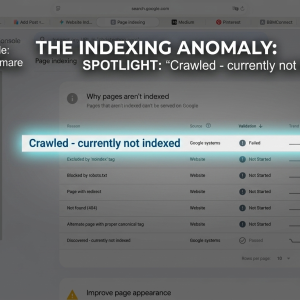
Generic content is dying under a flood of low-effort web spam, but deeply practical, high-utility technical guides are thriving. People want real solutions to immediate everyday headaches. A simple troubleshooting guide addressing a universal issue—like how to navigate a frustrating iPhone 64GB storage problem with iCloud fixes—can easily draw steady, high-intent search traffic on Medium or a self-hosted blog. Once you have consistent eyes on your content, monetizing through specialized affiliate links, digital toolkits, or consulting offers becomes straightforward.

Practical Steps to Start Building This Week
- Pick One Friction Point: Focus on an operational bottleneck you already understand—whether that’s data cleanup, local client outreach, or content publishing.
- Build a Working Proof-of-Concept: Spend 5 hours using code assistants or prompt frameworks to build a functional prototype. Keep overhead strictly at zero by relying on open-tier APIs and free developer tools.
- Document and Publish: Write a no-BS, step-by-step breakdown of how you solved the problem. Post it on Medium and cross-post to your personal website with a canonical tag to capture long-term search engine authority.
The broader economy might feel unpredictable, but individual leverage has never been higher. The goal isn’t to outwork the current economic climate; it’s to out-orchestrate it.
For a deeper dive into how tech trends and AI automation are reshaping workforce strategies and global productivity, check out this overview on World Economic Outlook & AI Trends, which provides crucial context on macroeconomic forecasts and technological adoption.