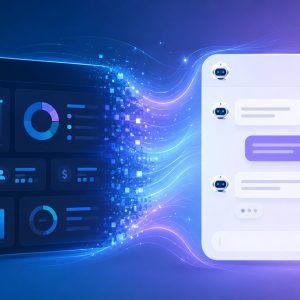
If you’ve ever dreamed of talking to an AI like in Iron Man — you know, like Tony Stark talking to Jarvis — that dream just got a lot closer. OpenAI’s ChatGPT Advanced Voice Mode isn’t just another talking assistant; it’s a full-on conversation partner that feels surprisingly human.
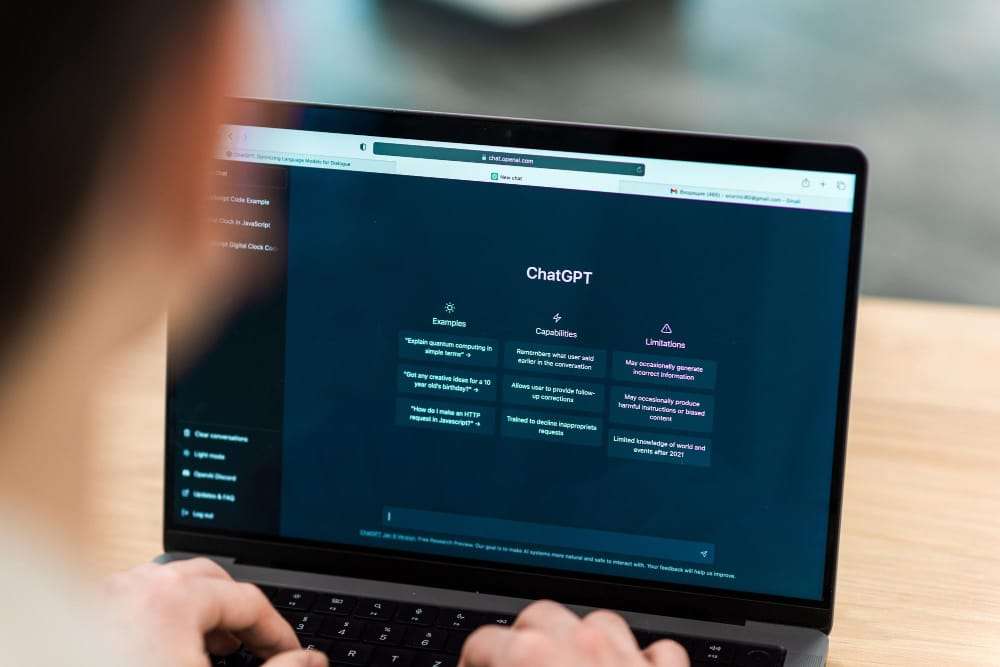
This new feature is so intuitive that it makes other voice AIs look outdated. You can interrupt it mid-sentence, change topics naturally, and even have it pick up emotional tones — all in real time. It’s like having a calm, knowledgeable person on the other side, instead of the robotic “I’m sorry, I didn’t understand that” type of AI we’re used to.
What Makes ChatGPT Advanced Voice Mode So Cutting-Edge?
This feature combines speech recognition, natural language understanding, and real-time speech synthesis at a level we’ve never seen in public AI tools before.
When I tried it myself, what stood out wasn’t just the smoothness — it’s the flow. You can ask a question, interrupt halfway, or even just say “wait, hold on,” and ChatGPT instantly adjusts without missing a beat.

That’s something tools like Google Assistant or Alexa still struggle with. And what’s wild is that this tech runs on OpenAI’s own large multimodal model, which means it’s processing voice, context, and intent all at once.
👉 You can check out OpenAI’s official update here on their blog — the demos alone feel like glimpses of the future.
Free AI Voice Tools That Try to Compete
Not everyone wants to pay for ChatGPT Plus, so it’s fair to ask — are there free tools that come close? I tested a few popular ones that people often mention as alternatives:
🟢 Pi.ai (Inflection AI)
Pi is known for its warm and empathetic tone. It’s great for casual chats or emotional support, but the conversation flow still feels a bit scripted. It’s like talking to a kind friend who’s reading from a prepared list.
🟡 Google Gemini Voice
Gemini’s voice mode is smart — it understands complex questions — but it still pauses awkwardly and waits until you stop speaking before replying. That “real-time” feel just isn’t there yet.
🔵 HuggingChat + Voice Add-ons
HuggingChat offers a voice experience via open-source integrations, but it sounds robotic and has noticeable delays. It’s a fun playground for developers, but not for seamless conversation.
🟣 ElevenLabs + Tavus
These are better at voice cloning than conversation. You can make AI speak like you, but it’s not a two-way exchange.
All of them are impressive in their own way — but none yet give that “Jarvis vibe” where conversation feels alive and natural.
Why ChatGPT Feels More “Human” Than the Rest
Here’s where I think OpenAI nailed it: timing and tone.
ChatGPT’s Advanced Voice Mode responds while you’re still talking. That overlap — where it starts replying before you even finish your sentence — tricks your brain into believing you’re in a natural exchange. It feels personal.
The voice itself carries small pauses, breaths, and a subtle tone that adapts to how you talk. If you sound excited, it sounds excited back. That subtle mirroring is what makes it feel “human.”
As someone who’s been following AI closely (I wrote about this in ChatGPT vs Bard: The Battle of AI Chatbots), this is easily the biggest leap in realism I’ve seen in consumer AI. It’s not just text generation — it’s human-like interaction.
Should You Pay for It?
For creators, educators, and even remote workers, it’s worth it. The ability to brainstorm ideas hands-free or talk through complex thoughts naturally can really boost productivity.
If you’re just curious, the free tools I mentioned are fine for casual experimenting. But once you’ve tried ChatGPT’s voice mode, you’ll notice the difference immediately — it’s like switching from an old flip phone to a smartphone.
You can also read my earlier post, The Rise of ChatGPT: Is It Going to Last?, where I predicted that conversational realism would be the next big milestone — and it’s finally here.
Final Thoughts: The Sci-Fi Future Is Now
This feels like the moment when sci-fi becomes reality.
I remember testing this feature late at night and realizing how natural it felt — no commands, no typing, just conversation.
We’re entering a time when AI isn’t just answering us; it’s talking to us in a way that feels human. It’s the kind of moment that makes me think of how fast things are moving — just like what I saw when exploring China’s Smart Cities, where the future already seems to exist today.
So yes — ChatGPT’s Advanced Voice Mode isn’t perfect yet, but it’s the closest thing to talking to Jarvis we’ve ever had. And if this is just the beginning, the next few years of AI evolution are going to be fascinating to watch.