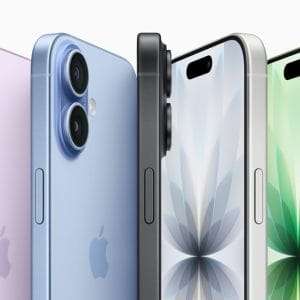
If we talk about Xiaomi vs Apple, most people immediately jump into specs, camera tests, or benchmark scores. But honestly, 2025 feels like the first year Xiaomi really outsmarted Apple — not just in hardware, but in marketing strategy.

I’m not exaggerating — the way Xiaomi positioned its Xiaomi 17 Pro Max launch this year feels like a case study in modern tech marketing done right.
1. The Smart “Apple Shadow” Strategy
Xiaomi didn’t try to beat Apple head-on.
Instead, it built its identity within Apple’s shadow — same event timing, similar minimalist visuals, and even comparable product names. But instead of being labeled as a copycat, Xiaomi flipped the narrative.
They made Apple’s premium image feel restrictive, while Xiaomi’s premium line felt inclusive.
That’s marketing genius.
Just look at their social campaigns — most of Xiaomi’s recent ads subtly use phrases like “Flagship freedom” and “Power without the price wall.” It’s an emotional trigger for users who admire Apple but don’t want to join the locked ecosystem.
Even tech analysts from Android Authority and GSMArena noted that Xiaomi’s 2025 approach feels more confident and brand-centric than ever before.
2. The Emotional Rebranding
Apple sells lifestyle.
Xiaomi now sells empowerment.
That’s the shift.
In Asia especially, Xiaomi’s narrative is no longer “the cheap alternative.” The 17 Pro Max launch ad in India literally said:
“The power to create your own ecosystem.”
That’s a soft jab at Apple’s walled garden. And people love it.

Even in my own circle, I noticed something — more friends are switching from iPhone to Xiaomi not because of price, but because they feel Xiaomi now represents freedom with style. That’s a big emotional win.
If you look at how Apple is tightening its control with iOS 18 (which I discussed in my macOS Tahoe review), Xiaomi is doing the opposite — it’s opening doors while maintaining design polish.
3. Partnership-Driven Hype (Instead of Event Hype)
While Apple still relies heavily on its “one big keynote” formula, Xiaomi uses multiple mini-hypes — collaborations, influencer seeding, and local community events.
For example, the #17ProChallenge on TikTok hit millions of views before the official launch livestream even started.
That’s exactly how you turn buzz into anticipation without paying for massive ad space.
According to Social Media Today, Xiaomi’s influencer-driven model is now studied as one of the most effective organic marketing strategies in Asia.
As brands change how they reach audiences, it’s also worth reading my practical guide on how creators use AI — How YouTubers Use AI for Scripts and Thumbnails (2025 Guide) — to see how content workflow is evolving.
4. Pricing Psychology Done Right
Let’s be honest — Apple’s pricing has become predictable.
Xiaomi, meanwhile, uses something I’d call “pricing psychology warfare.”
The 17 Pro Max was priced just slightly below the iPhone 17 base model — but with specs closer to the iPhone 17 Pro.
Consumers immediately perceive it as unfairly good value. That’s how they win the middle segment — the crowd that wants performance without guilt.
Even Counterpoint Research reported that Xiaomi’s 2025 pricing strategy helped the brand recover market share in premium phones, something few Android brands have achieved.
And the thing is, Apple can’t easily counter this without hurting its luxury brand positioning.
That’s why Xiaomi’s move is strategically bold.
5. The Apple-Like Polishing (Without the Ego)
I’ve said this before in my macOS Tahoe review — Apple still leads in elegance and UI polish.
But lately, Xiaomi has closed that gap.

The difference?
Apple builds beauty around control, Xiaomi builds beauty around access.
Their UI is now smoother, and their ecosystem (MIUI + HyperOS + Xiaomi Cloud) feels almost as seamless as Apple’s. For many users, “good enough and open” beats “perfect but closed.”
TechRadar’s review even mentioned that HyperOS now feels “surprisingly premium,” something that would’ve been unthinkable a few years ago.
💡 Personal Take
I’ve always admired Apple’s design philosophy — my MacBook Air experience proves that Apple still offers the best productivity flow.
But in 2025, Xiaomi finally cracked Apple’s marketing code.
They stopped being the “alternative brand” and became the aspirational choice for people who want both performance and independence.
So yes, maybe Apple still wins in hardware harmony.
But Xiaomi? Xiaomi wins in cultural harmony.
And that, I think, is what will define tech loyalty in this next decade.
🧠 Conclusion
While tech reviewers will keep comparing display specs and chip speeds, I think Xiaomi’s true victory in 2025 happened behind the scenes — in how they made people feel.
They turned aspiration into accessibility, and that’s a marketing playbook Apple hasn’t mastered since the days of Steve Jobs.
It’s not about beating Apple technically.
It’s about beating Apple psychologically.
And Xiaomi did exactly that.