Apple has just unveiled the iPhone 17 series along with the stunning new iPhone 17 Air, and it’s already making waves in the tech world. At just 5.6 mm thick, this is Apple’s thinnest iPhone ever, designed with a titanium frame and Ceramic Shield 2 for maximum durability. But this isn’t just a design stunt—Apple is signaling a shift in how premium smartphones will look and feel in the next few years.

If you’re a tech enthusiast or looking for your next upgrade, here’s everything you need to know about the iPhone 17 Air, plus why this model could change the smartphone industry.
Why the iPhone 17 Air Is a Big Deal
The iPhone 17 Air is not just a slimmer version of the standard iPhone 17. It’s a showcase of Apple’s engineering power and design philosophy. With smartphone markets becoming saturated, Apple is betting that ultra-thin luxury phones will become the next big thing.

Some standout features include:
- Ultra-thin design at 5.6 mm – Thinner than most Android flagships, yet surprisingly durable.
- Titanium body and Ceramic Shield 2 – Provides 3× better scratch resistance on the front and 4× crack resistance on the back. (Apple Newsroom)
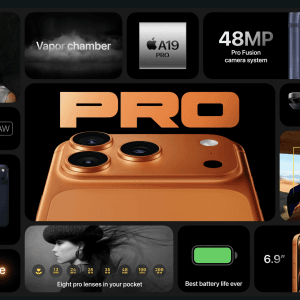
- A19 Pro chip and new N1/C1X chips – Offering faster performance and more efficient connectivity, with support for Wi-Fi 7, Bluetooth 6, and Thread networking.
- All-day battery life – Despite its slim size, Apple claims up to 27 hours of video playback.
For those curious about how this model stacks up against previous Apple releases, check out other gadget reviews and updates here.
How Apple Pulled Off a Thinner iPhone Without Compromising Performance
Many consumers assume that thinner phones mean weaker batteries or overheating issues, but Apple’s engineering shows otherwise. The company managed this feat through:
- Redesigned internal layout – Apple rearranged internal components to optimize airflow and cooling.
- Adaptive Power Mode – Part of iOS 26, it dynamically adjusts performance and display refresh rates to save energy. (Apple)
- Titanium’s strength-to-weight ratio – This material offers a premium feel while reducing weight, making the iPhone 17 Air comfortable for daily use.
Why This Matters for the Smartphone Market
Apple’s shift toward extreme minimalism could pressure competitors like Samsung, Xiaomi, and OnePlus to rethink their designs. This might signal a trend where ultra-slim, lightweight flagship phones become the new norm.
However, slimmer phones might also mean higher repair costs and premium pricing. The iPhone 17 Air starts at a price point similar to previous Pro models, but early reviews suggest that its design and material innovation justify the cost. (The Verge)
More Than Just a Pretty Design: Sustainability and Eco Features
Apple emphasized sustainability in its keynote. The iPhone 17 Air is made with 100% recycled rare earth elements and low-carbon aluminum. Apple also continues to push toward carbon neutrality across its entire supply chain, making this release not only sleek but also environmentally conscious. (Reuters)

Should You Upgrade to iPhone 17 Air?
If you value premium build quality, lightweight design, and the latest Apple tech, the iPhone 17 Air is worth considering. It’s also a great option for professionals who need a powerful yet pocketable device.
However, if you’re satisfied with a larger battery and thicker device, the standard iPhone 17 or iPhone 17 Pro might offer better value.
Final Thoughts
The iPhone 17 Air is more than just a thinner iPhone—it’s a bold statement about the future of smartphone design. By combining a luxurious titanium frame, a powerful A19 Pro chip, and new wireless chips, Apple has shown that thinness doesn’t have to mean compromise.
For more updates and detailed reviews of Apple gadgets, iPhones, and other tech innovations, check out our full Gadgets section.