In recent years, Chinese smartphone manufacturers have been consistently gaining traction, pushing technological boundaries, and challenging global brands. Among them, Xiaomi stands out, particularly with its latest flagship—the Xiaomi 14 Pro. This powerful phone has sparked conversations about whether it could one day surpass the iPhone in terms of performance, features, and market dominance. Let’s break down the head-to-head comparison of the Xiaomi 14 Pro and iPhone 16 Pro, and explore why Xiaomi might have the edge in the future.
1. Design and Build Quality
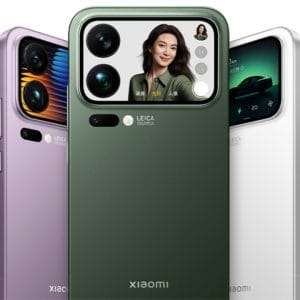
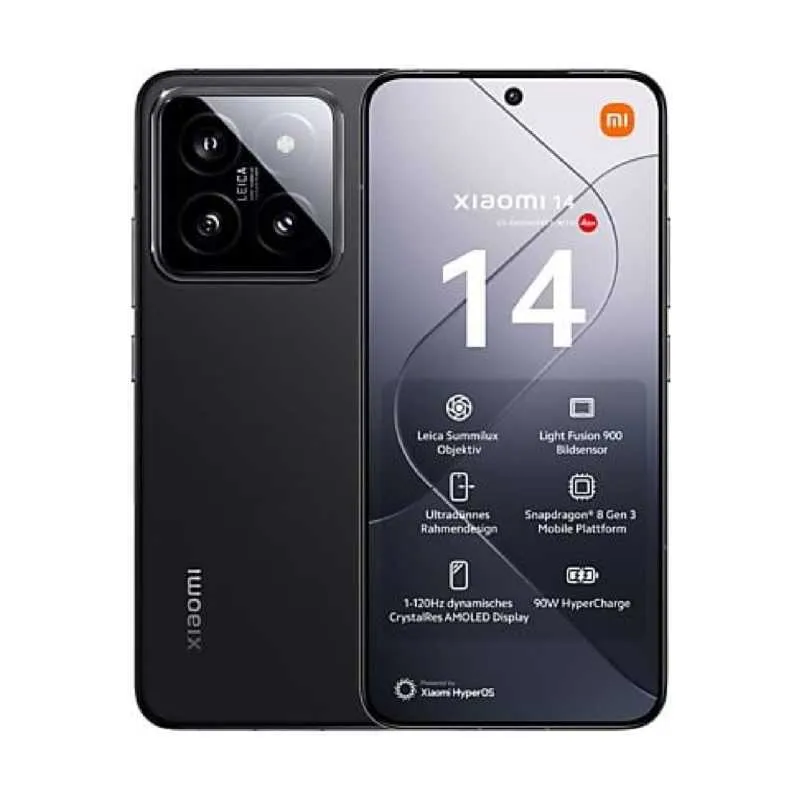
- Xiaomi 14 Pro: The Xiaomi 14 Pro flaunts a sleek, futuristic design with a ceramic or glass back, depending on the variant. Its narrow bezels and under-display front camera option make it stand out as one of the most cutting-edge designs available today.
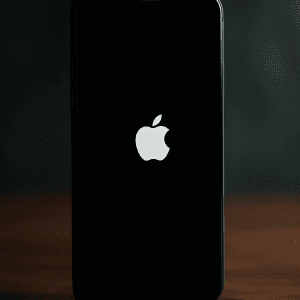
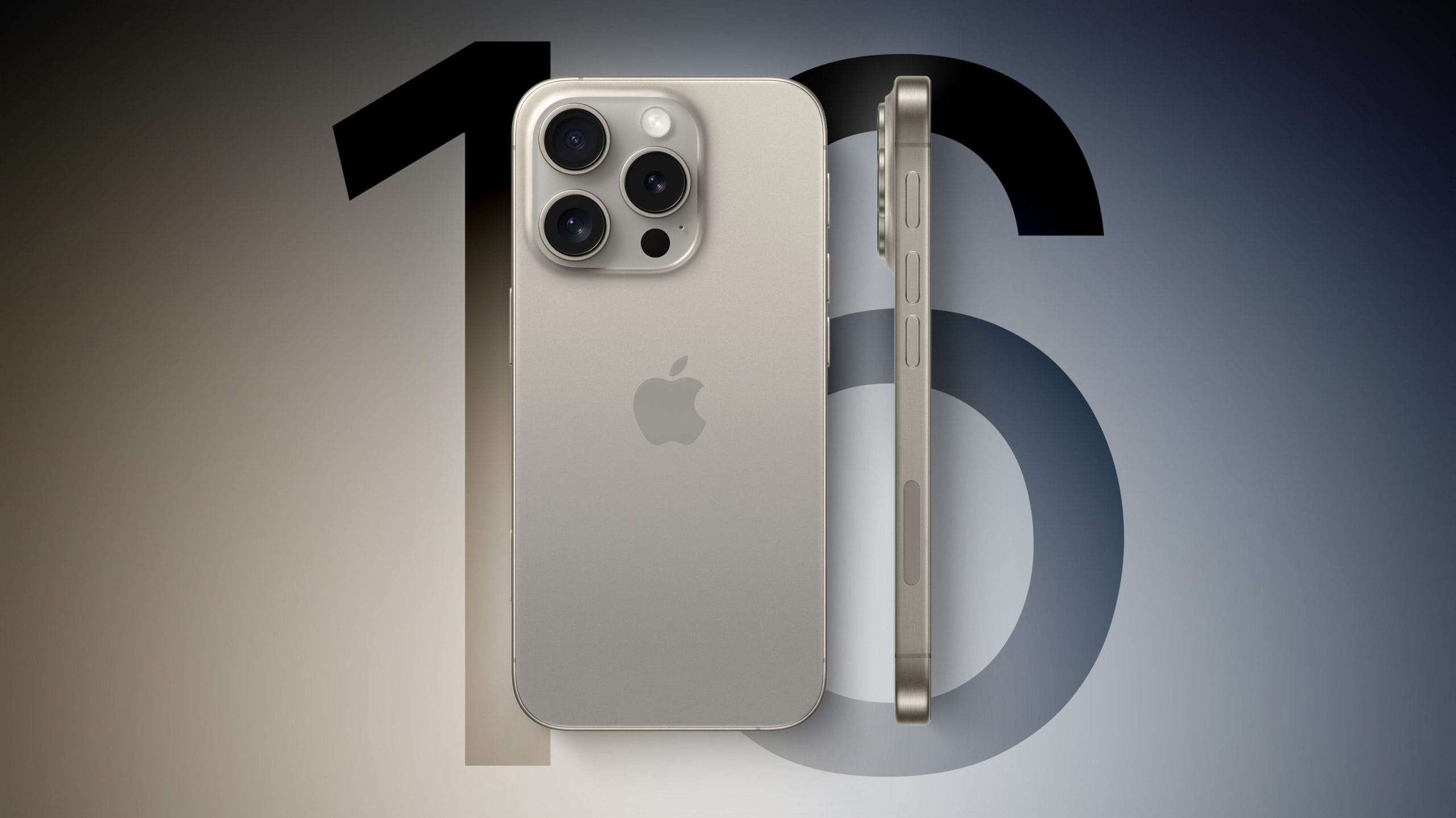
- iPhone 16 Pro: Apple sticks to its classic design language, with a brushed titanium frame, flat edges, and the iconic camera bump. It’s refined, but arguably hasn’t evolved as much as expected.
Why Xiaomi Wins: Xiaomi’s innovation in display (under-display camera tech) and its risk-taking design choices show how it’s willing to push the envelope further than Apple, which tends to play it safe.
2. Performance and Power
- Xiaomi 14 Pro: Powered by Qualcomm’s Snapdragon 8 Gen 3 processor, Xiaomi’s latest phone delivers stunning speed and multitasking prowess, even for intensive gaming and productivity apps. Coupled with up to 16GB of RAM and 1TB of storage, it offers more than enough headroom for power users.
- iPhone 16 Pro: With the A18 Bionic chip, Apple continues to dominate benchmarks, delivering outstanding performance across the board. However, when compared to the Snapdragon 8 Gen 3, the difference in real-world usage becomes less noticeable, especially for non-gaming tasks.
Why Xiaomi Wins: Xiaomi has steadily closed the performance gap with Apple, and by offering better customizationoptions like RAM and storage configurations, it’s becoming more attractive to tech enthusiasts.
3. Display Technology
- Xiaomi 14 Pro: The phone boasts a 6.73-inch AMOLED display with LTPO 4.0 technology, ensuring adaptive refresh rates from 1Hz to 120Hz. With a 2K resolution, 1800 nits peak brightness, and Dolby Vision support, it delivers some of the most vibrant visuals on the market.
- iPhone 16 Pro: The iPhone 16 Pro features a 6.1-inch Super Retina XDR OLED display, with a ProMotion 120Hz refresh rate and HDR10 support. While it’s sharp and colorful, the display size and features have remained relatively consistent across recent models.
Why Xiaomi Wins: Bigger screen, better resolution, and an adaptive refresh rate that optimizes battery life give Xiaomi an edge, especially for media consumption and gaming.
4. Camera Innovation
- Xiaomi 14 Pro: Xiaomi’s 14 Pro packs a 50MP primary camera with Leica-tuned lenses and a host of AI photography features. It excels in low-light performance, 5x optical zoom, and cinematic video modes that rival professional cameras.
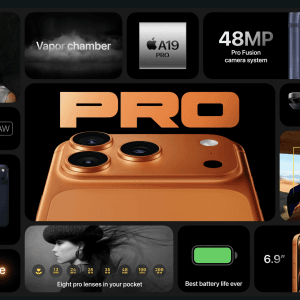
- iPhone 16 Pro: Apple’s 48MP sensor is no slouch, delivering crisp images, deep color saturation, and the well-known Photonic Engine for improved low-light performance. Its telephoto lens, however, falls short with only 3x optical zoom.
Why Xiaomi Wins: While Apple’s camera is reliable, Xiaomi’s Leica partnership and advanced AI photographycreate more versatile and creative options for photographers. The longer zoom and better low-light performance make Xiaomi more appealing to photography enthusiasts.
5. Battery Life and Charging
- Xiaomi 14 Pro: With a 5,000mAh battery and 120W wired fast charging, Xiaomi is leagues ahead of Apple. It also supports 50W wireless charging, meaning you can get a full day’s battery in minutes.
- iPhone 16 Pro: The iPhone 16 Pro features a 4,500mAh battery with 30W fast charging, which is still significantly slower than Xiaomi’s offering. Wireless charging is also capped at 15W via MagSafe.
Why Xiaomi Wins: Xiaomi’s superior battery capacity and faster charging options are undeniably more convenient, especially for users on the go.
6. Software and Ecosystem
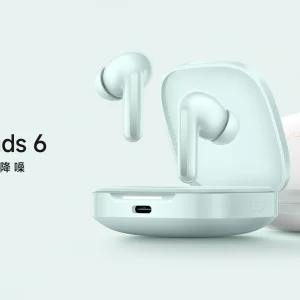
- Xiaomi 14 Pro: Running MIUI 15 based on Android 14, Xiaomi provides a highly customizable experience. While some users prefer a clean interface, others enjoy MIUI’s versatility and powerful features. Xiaomi’s ecosystem, however, goes beyond just smartphones. Xiaomi has an impressive array of IoT (Internet of Things) devices, from smart bands, cleaning robots, power sockets, earbuds, and even electric scooters. Recently, Xiaomi ventured into making cars, expanding their ecosystem even further. This growing connectivity between Xiaomi devices could rival Apple’s ecosystem, potentially offering an even broader and more integrated experience for users in the future.
- iPhone 16 Pro: Apple’s iOS 17 ecosystem is well-integrated, smooth, and arguably the gold standard in software. Apple excels with its seamless ecosystem between iPhones, Macs, iPads, Apple Watches, and Apple TV. However, Apple’s focus is primarily on high-end consumer electronics rather than a broader IoT ecosystem like Xiaomi’s.
Why Xiaomi Could Win in the Future: Xiaomi’s extensive lineup of smart home devices and their ambition to create an all-encompassing ecosystem could offer a richer and more connected user experience than Apple’s. With products ranging from home automation to electric vehicles, Xiaomi could create a digital lifestyle that surpasses Apple’s closed ecosystem.
7. Price-to-Performance Ratio
- Xiaomi 14 Pro: At around $899 (depending on region), the Xiaomi 14 Pro offers flagship features at a price significantly lower than the iPhone 16 Pro.
- iPhone 16 Pro: Priced at around $1,199, the iPhone remains one of the most expensive phones in the market. For many users, the price premium may not justify the marginal improvements over competitors like Xiaomi.
Why Xiaomi Wins: More value for money. For a lower price, Xiaomi delivers equal—if not better—performance in several key areas, making it a better deal for many buyers.
The Future of Xiaomi: Why It Could Beat the iPhone
While Apple remains an industry leader, Xiaomi’s rapid technological advancements, competitive pricing, and growing global market share point to a future where Chinese brands could overtake Apple. Xiaomi’s commitment to innovation, including the development of AI, 5G technologies, custom silicon, and its comprehensive IoT ecosystem, suggests that it’s ready to challenge Apple’s dominance head-on.
As Xiaomi continues to expand its product lineup beyond smartphones into smart home devices and even electric vehicles, the potential for an interconnected ecosystem far larger than Apple’s becomes clear. Xiaomi could appeal to a broader user base, integrating multiple aspects of daily life—from home automation to mobility—under one brand. If Xiaomi keeps up this pace, the future might see more users switching from iOS to Xiaomi’s ecosystem, thanks to its forward-thinking design, superior technology, and unbeatable price-performance ratio.
Potential Downside: Challenges Xiaomi May Face
However, it’s important to note some of the potential pitfalls that could prevent Xiaomi from overtaking Apple in the future:
- Software Experience: While Xiaomi has made strides in improving MIUI, software optimization is still an area where Apple excels. iOS is highly polished, with fewer bugs, better app integration, and a more cohesive user experience. Xiaomi’s MIUI has been criticized for bloatware and frequent ad intrusions, which could deter some users.
- Brand Loyalty: Apple’s brand power is formidable. Many users are deeply entrenched in the Apple ecosystem and have developed a strong emotional attachment to the brand. Convincing these users to switch to Xiaomi could be a significant challenge, despite any technological advantages Xiaomi might offer.
- Market Perception: Xiaomi is often perceived as a budget brand, even when its flagships offer premium features. Apple, on the other hand, is synonymous with luxury and status. Xiaomi will need to shift this perception to truly compete with Apple in the high-end market.
- Global Availability and Support: While Xiaomi is expanding rapidly, Apple has an established presence in many countries, with strong customer service and support networks. Xiaomi may struggle in certain regions where it doesn’t have the same infrastructure in place.
If Xiaomi can address these challenges—particularly improving its software and shifting its brand image—it stands a real chance of rivaling, and even surpassing, Apple in the future.
To explore more about the latest gadgets and technology trends, visit the Gadgets category on our site.