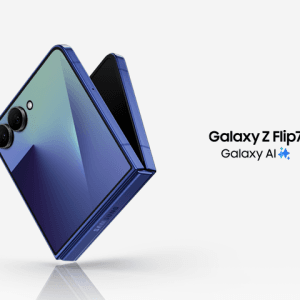
Spending nearly $2,000 on a smartphone already requires a leap of faith, especially when that device is Apple’s first-ever foldable. Since the iPhone Duo hit shelves earlier this fall, early adopters have been praising its ultra-thin titanium build and seamless 7.6-inch inner canvas—until reports started surfacing about hairline cracks forming right along the center fold.
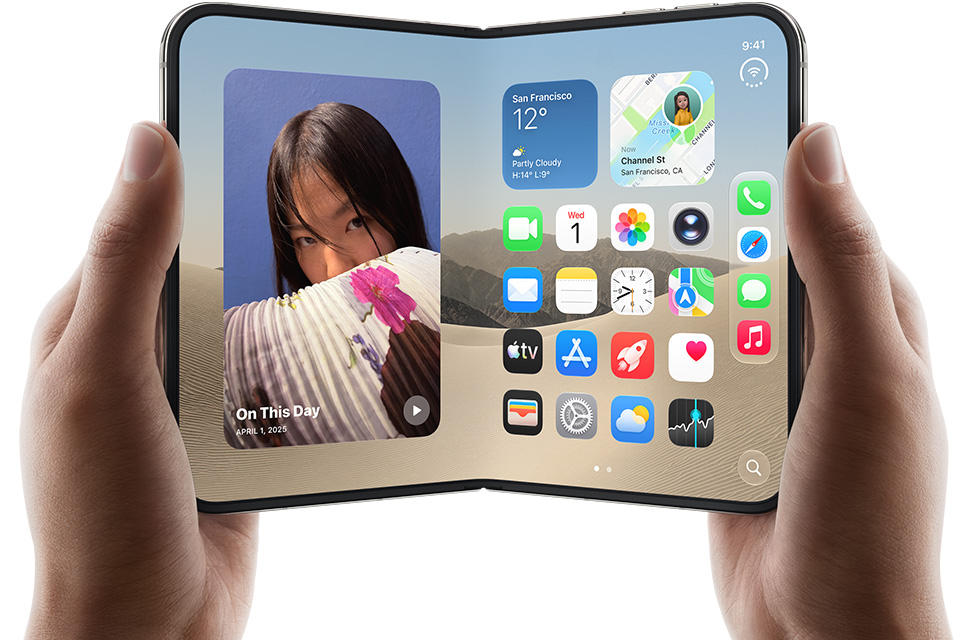
The iPhone Duo's expansive 7.6-inch inner OLED display relies on ultra-thin glass that folds inward along a central hinge.If you have been eyeing an upgrade or waiting for local stock to land in your region, the iPhone Duo inner display cracking issue is impossible to ignore. Having watched how first-generation foldables mature over the years—and seeing how fiercely rivals are competing, which I broke down in my look at how Xiaomi outsmarted Apple on marketing strategy—I wanted to dig into what is actually happening with these screens, how Apple is handling repairs behind closed doors, and whether you should hold off or simply factor AppleCare+ into your checkout budget.
Quick Verdict: Should You Buy the iPhone Duo Right Now?
If you rely on a single phone for work, travel, and daily life and hate dealing with service center appointments, wait for Apple’s quiet hardware revision or stick with a traditional slab flagship for a few more months.
However, if you already love the foldable form factor and want the iPhone Duo today, buying it without AppleCare+ is a massive financial gamble. Out-of-warranty foldable OLED replacements cost roughly half the price of a brand-new phone, whereas adding Apple’s coverage turns a potential $800+ repair bill into a predictable minor deductible.
What Is Actually Causing the iPhone Duo Screen Cracking Issue?
Unlike traditional rigid glass displays, foldable OLED panels rely on ultra-thin glass (UTG) layered beneath a flexible polymer protective film. Even with Apple’s custom liquid-metal hinge engineered to minimize the crease, physics still applies stress every single time the phone snaps shut.
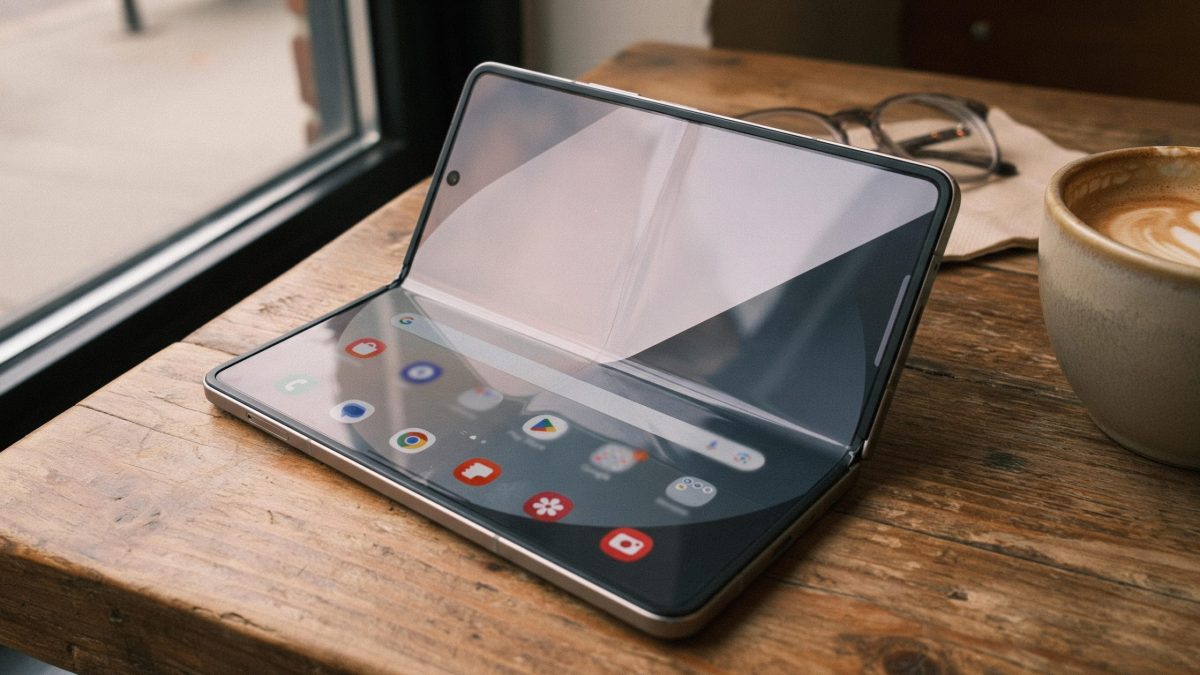
First-generation foldable smartphones offer a stunning large-screen experience, but their flexible inner displays demand careful handling in daily use.Based on early teardown analyses and user reports shared across tech forums, the cracking issue typically stems from three main triggers:
- Microscopic Debris Along the Hinge: A single grain of pocket sand or grit trapped near the center crease creates a localized pressure point when the 7.6-inch screen folds flat.
- Cold Weather Polymer Stiffness: Flexible display layers naturally lose elasticity in colder temperatures, making rapid unfolding in chilly environments riskier for the underlying ultra-thin glass.
- First-Batch Adhesive & Stress Tolerances: Just like early generations of competing foldables, initial production runs often reveal real-world mechanical stress patterns that manufacturers quietly refine in later factory batches.
How Apple Is Handling Repairs Behind the Scenes
Rather than issuing a flashy public recall, Apple has historically addressed first-generation hardware quirks through internal service advisories—and the iPhone Duo appears to follow that exact playbook. Genius Bar technicians have been instructed to inspect reported inner display cracks closely for signs of external drop damage or user-inflicted punctures.
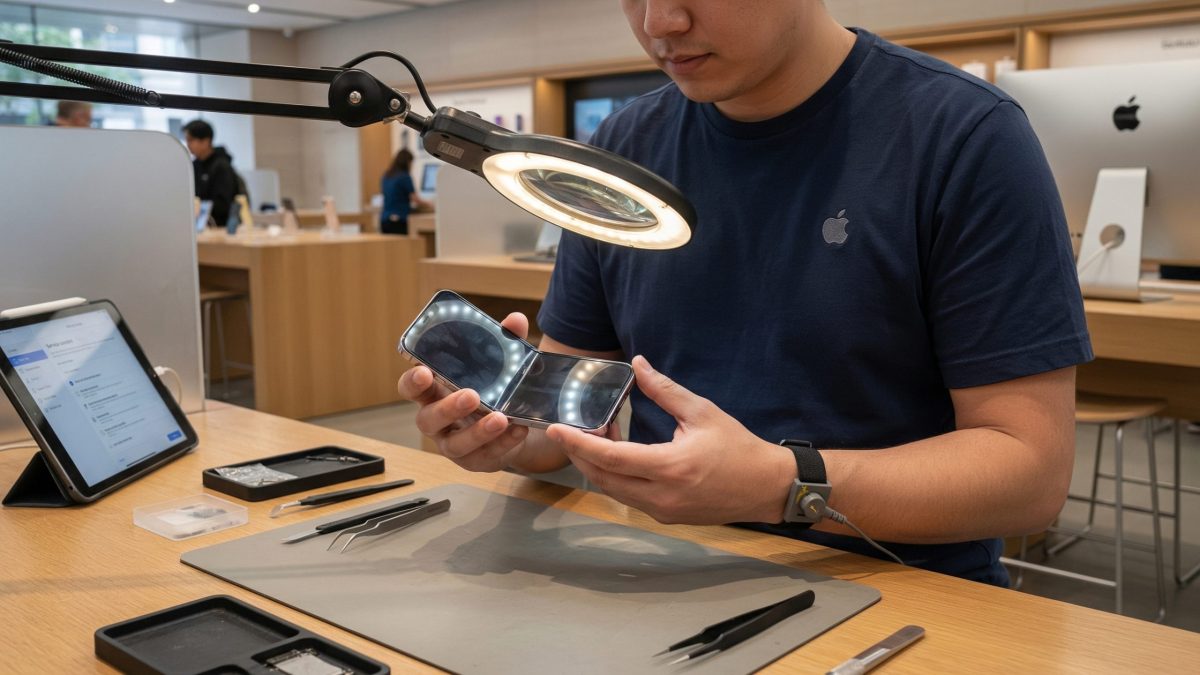
- Covered Under Standard Warranty: If a hairline crack develops strictly along the vertical crease with zero signs of impact, drops, or missing protective film, Apple’s standard one-year limited warranty generally covers the display replacement at no cost.
- The Gray Area: If there is even a tiny scuff near the hinge or a small dent on the frame, service centers may classify the crack as accidental damage—leaving you stuck with a massive out-of-warranty repair quote unless you have AppleCare+ for iPhone active on the device.
AppleCare+ vs. Delaying Your Purchase: Breaking Down the Math
When a phone starts at $1,999, adding another $249 to $299 for two years of AppleCare+ feels painful at checkout. Yet when you compare the numbers against real-world ownership risks, the math becomes straightforward:
| Scenario | Estimated Upfront / Repair Cost | Risk Level | Best For |
|---|---|---|---|
| Buy Now (No AppleCare+) | $1,999 + ~$799–$899 if screen cracks out of warranty | High | Gentle home/office users who rarely take their phone outdoors |
| Buy Now + AppleCare+ | $1,999 + ~$269 plan + $29–$99 screen deductible | Low | Daily commuters, travelers, and heavy multitaskers |
| Delay Purchase 4–6 Months | $1,999 (later factory batch with quiet hinge/display tweaks) | Moderate | Patient buyers who want first-gen kinks ironed out first |
| Buy a Slab Flagship Instead | ~$1,199–$1,399 (rigid Ceramic Shield glass) | Very Low | Power users prioritizing maximum battery and durability |
As someone who switches between laptops, phones, and accessories constantly—even pairing budget gear like in my recent Redmi Buds 8 review with an iPhone for daily runs—I have learned that peace of mind beats babying a gadget every time you put it in your pocket. If you are the type of user who hates worrying about dust, rain, or accidental drops,you might honestly be happier checking out why the iPhone 17 Pro Max still makes sense for power users instead of paying the early-adopter tax on a first-gen foldable.
4 Practical Habits to Protect Your iPhone Duo Inner Screen
If you already own an iPhone Duo—or plan to pick one up this month—a few simple habits dramatically cut down the odds of inner display failure:
- Never Press on the Crease to Close It: Always press gently on the titanium bezel frame when folding the phone shut, rather than pushing your thumb directly into the center of the OLED panel.
- Keep Pockets Grit-Free: Avoid sliding the iPhone Duo into the same pocket as keys, coins, or beach sand.Because the display folds inward, trapped debris gets pressed directly against the glass.
- Do Not Peel the Factory Screen Protector: The pre-installed inner protective layer is structurally bonded to absorb surface tension. Peeling it off instantly voids warranty coverage and exposes the ultra-thin glass.
- Let It Warm Up in Extreme Cold: If you step indoors from freezing weather, give the phone a minute or two before snapping it open quickly.
Frequently Asked Questions (FAQ)
Does Apple’s standard 1-year warranty cover the iPhone Duo inner screen cracking?
Yes, provided there is no physical drop damage, liquid intrusion, or tampering with the factory inner screen protector. If a hairline crack appears naturally along the fold line, Apple Store technicians typically treat it as a manufacturing defect under the standard warranty.
Can you remove the pre-installed screen protector on the iPhone Duo?
No. Just like other modern foldable smartphones, the inner protective film on the iPhone Duo is an essential part of the display assembly. Removing it can permanently damage the OLED panel and will void your warranty.
Is AppleCare+ worth getting for the iPhone Duo?
Yes. Because foldable inner OLED replacements are vastly more expensive than standard smartphone screens—and hairline cracks near a scuffed hinge can be disputed as accidental damage—AppleCare+ is practically mandatory protection for first-generation iPhone Duo owners.
Final Thoughts
First-generation Apple products almost always deliver a magical user experience paired with a few predictable growing pains, and the iPhone Duo is no exception. Its 7.6-inch inner screen is easily the best portable canvas Apple has ever put in a pocket, but until second-batch hardware revisions quietly roll off the assembly line, buying one without AppleCare+simply isn’t worth the stress.